What Does "Mil" Mean?
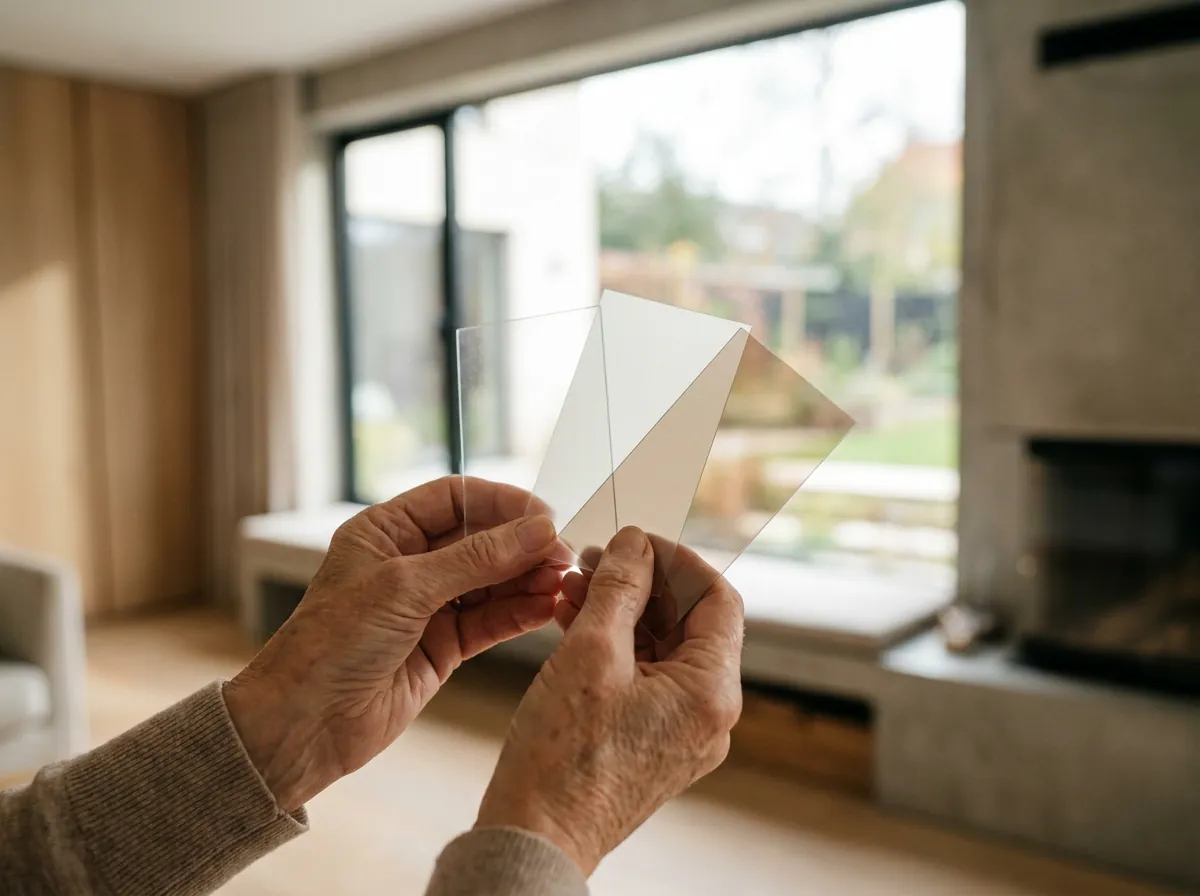
A mil is one thousandth of an inch (about 0.025 mm). So a 4 mil film is 0.004 inches thick, and a 14 mil film is 0.014 inches thick. It sounds thin, but these are strong polyester films built in multiple layers, and the difference between thicknesses is significant in how much force the glass can take.
Thickness Comparison
| Thickness | Main purpose | Best for |
|---|---|---|
| 4 mil | Safety: holds broken glass together | Accidental breakage, storm and impact safety, glass in busy areas |
| 7–8 mil | Entry-level security | Residential ground-floor windows, sidelights, basement windows |
| 11–12 mil | Higher security | Glass doors, patio doors, storefronts, offices |
| 14 mil+ | Maximum film security | High-risk storefronts, large glass doors, commercial and institutional buildings |
4 Mil: Safety Film
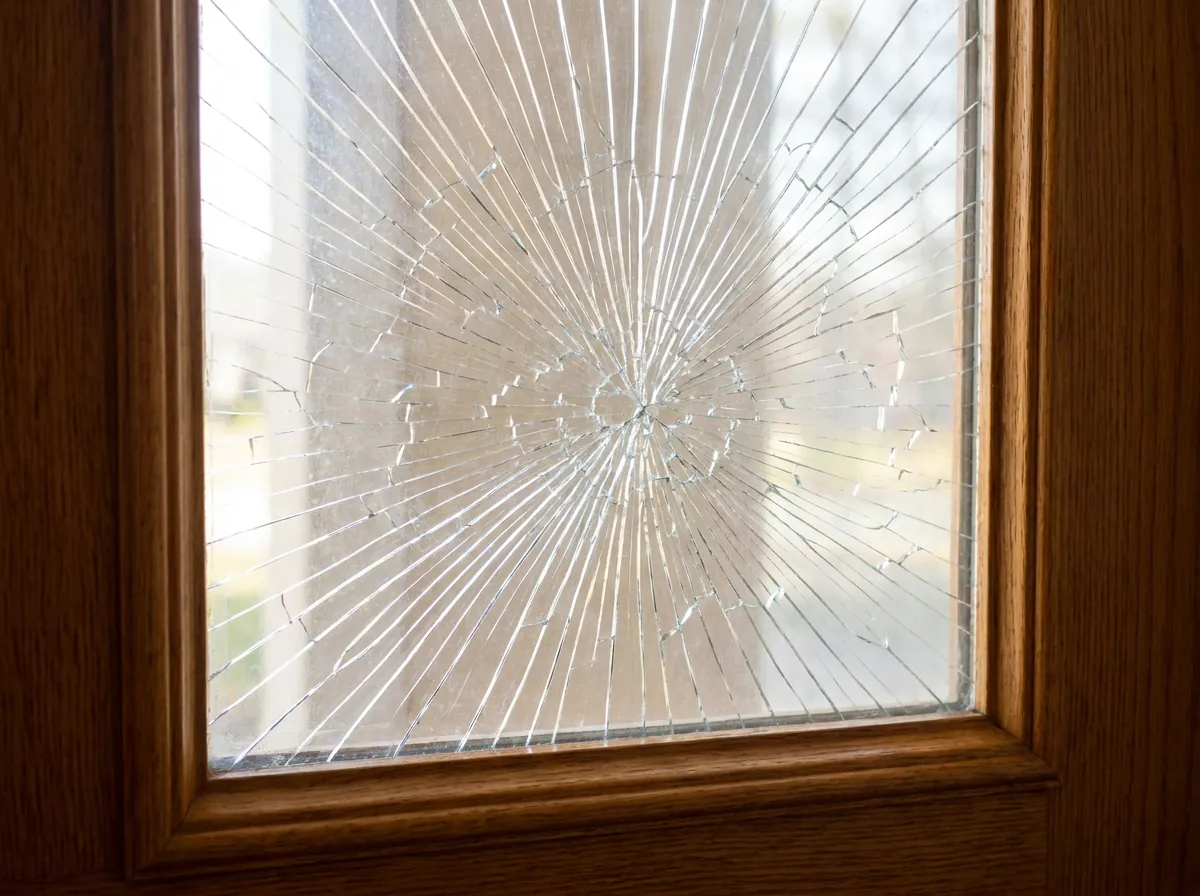
A 4 mil film is mainly a safety film. It keeps glass from shattering into dangerous shards if it's broken by accident, a storm or an impact. It's a good choice for glass in high-traffic areas like schools, gyms and offices, but it isn't designed to stop a determined break-in.
7 to 8 Mil: Home Security
This is a common starting point for residential security. It noticeably increases the time and effort needed to break through a window and is a practical choice for ground-floor windows, basement windows and sidelights. Our 8 mil security film roll is available for DIY projects.
11 to 12 Mil: Doors and Storefronts
Thicker film is the right choice for glass doors, patio doors and storefronts, which take more abuse and are common targets. It offers much higher resistance to repeated blows. See our 11 mil film roll and the 12 mil frosted security film, which adds privacy at the same time.
14 Mil and Up: Maximum Film Protection
The thickest films are used for high-risk commercial glass such as jewellery stores, pharmacies, banks and large glass entrances. They offer the most resistance a film can give and are usually paired with an anchoring system. See our 14 mil film roll.
Thicker Isn't Always Better
- Installation gets harder. Thick films are stiffer and harder to apply cleanly, especially on small or oddly shaped panes. Professional installation matters more as thickness goes up.
- The frame becomes the weak point. Beyond a certain thickness, the glass may hold together but be pushed out of the frame as one piece. An anchoring system that attaches the film to the frame matters more than going thicker.
- Cost goes up. There's no need to pay for 14 mil film on a second-floor bathroom window.
How to Choose
- Start with risk. Ground-floor, basement and hidden windows face more risk than upper-floor windows.
- Consider the glass type. Doors and storefronts usually justify thicker film.
- Think about other needs. If you also want privacy or heat control, choose a security film with frost, tint or solar control built in.
- Ask about anchoring for doors, storefronts and large panes.
Many homes end up with a mix: 8 mil on most ground-floor windows and 11 or 14 mil on patio doors and glass entry doors.
Frequently Asked Questions
Can I install thick security film myself?
Thinner films are manageable for careful DIYers on small, flat panes. Thick films are much harder to apply without bubbles or creases, so we recommend professional installation for 11 mil and up. Browse our DIY film rolls.
Does thicker film look different?
Clear security films of all thicknesses look nearly the same once installed. The difference is in strength, not appearance.
Is security film the same as laminated glass?
They work in a similar way but aren't the same. Read our security film vs. laminated glass comparison.
Get the Right Film for Each Window
LEA Security Film offers free estimates across Toronto, the GTA, Ottawa and Kitchener-Waterloo. We'll recommend the right thickness for every window and door. Learn more about our security film installation.