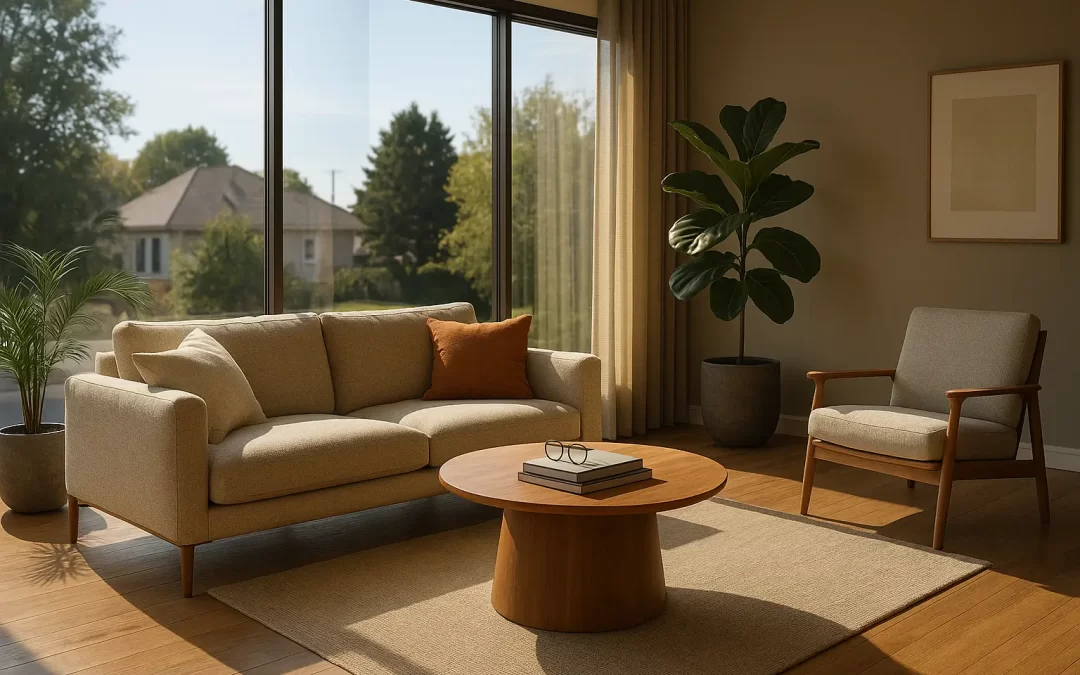
Windows make a home feel alive, they open up your space, bring in natural light, and offer views of the outside world. But when summer hits, those same windows can crank up your energy bill. Sunlight pours in, and with it comes heat, glare, and UV exposure that can make rooms uncomfortable and appliances work harder. That’s where solar window film becomes a smart upgrade, not just for comfort, but for savings.
TL;DR:
If you’ve ever wondered whether you can enjoy natural light without overheating your home (or draining your wallet), this guide breaks it down clearly, with no fluff.
What Is Solar Window Film?
Solar window film is a thin, multi-layered material applied directly to the surface of glass. It’s designed to reduce how much solar heat, UV rays, and glare pass through your windows, without blocking light entirely.
Unlike blackout curtains or heavy blinds, solar film is practically invisible from inside. You still see out. The daylight still flows in. But the film filters out the parts of sunlight that cause heat buildup and fading damage.
There are various types of solar control films, but most are made from polyester or ceramic composites, bonded with UV-blocking and infrared-reflective layers. These are often used in Vaughan homes and North York office spaces with large glass exposures.
The Real Problem: Sunlight = Heat + Glare + Damage
Let’s look at what untreated glass lets in:
- Visible Light (what you see)
- Infrared Light (what you feel as heat)
- Ultraviolet Light (what fades your floors and furniture)
Standard window glass does a poor job filtering infrared and UV radiation. That means:
- Rooms heat up quickly
- Furniture and artwork fade
- Electronics are exposed to harsh rays
- You crank the A/C, and bills spike
Solar film tackles this by reflecting and absorbing a portion of the infrared and UV wavelengths while letting visible light pass through. The result? Bright rooms, lower heat, less glare, and better protection. That’s why it’s a top choice for government buildings and homes alike.
What Makes Solar Film Different From Regular Tint?
It’s easy to confuse solar film with automotive-style tint or decorative films. But solar control films are purpose-built for performance, not just appearance.
| Feature | Solar Control Film | Decorative Film | Car Tint |
|---|---|---|---|
| Blocks Heat | ✅ Yes | ❌ Minimal | ✅ Some |
| UV Protection | ✅ 99%+ | ✅ Varies | ✅ Yes |
| Maintains Daylight | ✅ Yes | ❌ Often reduces | ❌ Often darkens |
| Appearance Options | ✅ Clear to Reflective | ✅ Frosted, Colored | ❌ Always tinted |
| Energy Savings | ✅ Major Impact | ❌ No | ❌ Not applicable |
Who Benefits Most From Solar Window Film?
Almost any home with sun exposure gains something from solar film, but the benefits are especially strong for:
- South- and west-facing windows that take the brunt of afternoon heat
- Homes with large glass areas or floor-to-ceiling windows
- Open-concept rooms where blinds aren’t practical
- Rooms with hardwood floors, rugs, or original artwork
- Homeowners with rising cooling costs every summer
These conditions are common in Burlington and Scarborough, where open-plan homes are popular.
How It Works (Without the Technical Overload)
Solar films reduce heat and UV in two ways:
- Infrared Reflection: Some films use metallic or ceramic coatings to bounce heat-causing rays back outside before they pass through the glass.
- UV Absorption: Multiple layers in the film absorb nearly all UVA and UVB rays, keeping them from entering your home or damaging interiors.
These films are often paired with security window film for added protection against break-ins and impact.
Cooling Cost Savings: Real Numbers
How much can solar film lower your cooling bills? It depends on your window size, orientation, and the film’s specifications, but studies have shown:
- Up to 30% reduction in solar heat gain through windows
- Average energy bill savings of 5–15% in summer months
- HVAC systems run less often and for shorter durations
In Aurora or Newmarket, where summers can be long and sunny, these savings can be dramatic.
Will My House Be Dark?
No. That’s the biggest myth.
High-performance films are designed to preserve natural light while blocking the heat. You can choose from:
- Neutral or clear films that reduce infrared without visibly tinting the window
- Low-reflective options for minimal mirror effect
- Light smoke or blue-gray shades for mild glare control
Will It Make My Windows Look Different from Outside?
That depends on the product. Reflective films can give a mirrored or slightly tinted look, which actually increases curb appeal for some modern homes.
However, there are many non-reflective and subtle tint options that look nearly identical to clear glass from the street. A qualified installer can show you samples and help match your film to your home’s style.
Bonus Benefits Beyond Cooling
Solar film is a multi-tasker. Here’s what else it delivers:
- Glare Reduction: No more squinting through morning coffee or fighting screen reflections.
- UV Blocking: 99%+ UV protection preserves floors, furniture, and skin health.
- Shatter Resistance: Some films help hold glass together on impact, an added layer of safety.
- Privacy: Tinted and reflective versions offer partial daytime privacy without blocking your view.
- Fade Control: Extend the life of expensive drapes, art, or woodwork.
What to Ask Before Installing Solar Film
Before choosing a product, consider:
- How much light do you want to preserve?
- Do you prefer a clear or tinted appearance?
- Are you prioritizing energy savings, glare control, or both?
- Is privacy a secondary concern?
- Do you want added glass strength (combo film)?
If privacy is more important, you might combine solar film with frosted film in specific rooms.
Final Takeaway: Comfort Without Compromise
Solar window film offers the best of both worlds: energy efficiency and natural light. No need to close the blinds or sit in the dark just to stay cool. And no need to worry about your AC working overtime in July.
It’s a sleek, unobtrusive solution for modern living, especially if you value comfort, savings, and open spaces. Whether you’re renovating, upgrading, or just tired of roasting in your own home, this is one of the smartest improvements you can make without changing your windows.

LEA Security Film has been the trusted choice for residential and commercial window film installation across Toronto and the Greater Toronto Area. Our specialists provide expert installation of high-quality security, solar, and privacy films designed to strengthen glass, improve comfort, and protect against break-ins, UV damage, and glare. Using premium-grade materials and industry best practices, we deliver solutions that combine safety, energy efficiency, and style. From reinforcing storefront glass in downtown Toronto to upgrading home windows in suburban neighborhoods, LEA Security Film is committed to professional service, lasting protection, and peace of mind for every client we serve.